

Social Exchange in Motion: How Enneagram Type 7 Enthusiasts Thrive in Reciprocal Relationships
Margo Plater
The Link Between Enneagram Type 7 and Social Exchange Theory
If you identify with Enneagram Type 7, often known as "The Enthusiast" or "The Adventurer," your life is likely characterized by a deep desire for freedom, excitement, and variety. You are naturally optimistic, energetic, and curious, always seeking new experiences and opportunities. This article explores how your Type 7 personality intersects with Social Exchange Theory, a concept in social psychology that examines relationships through the principles of reciprocity, costs, and benefits.
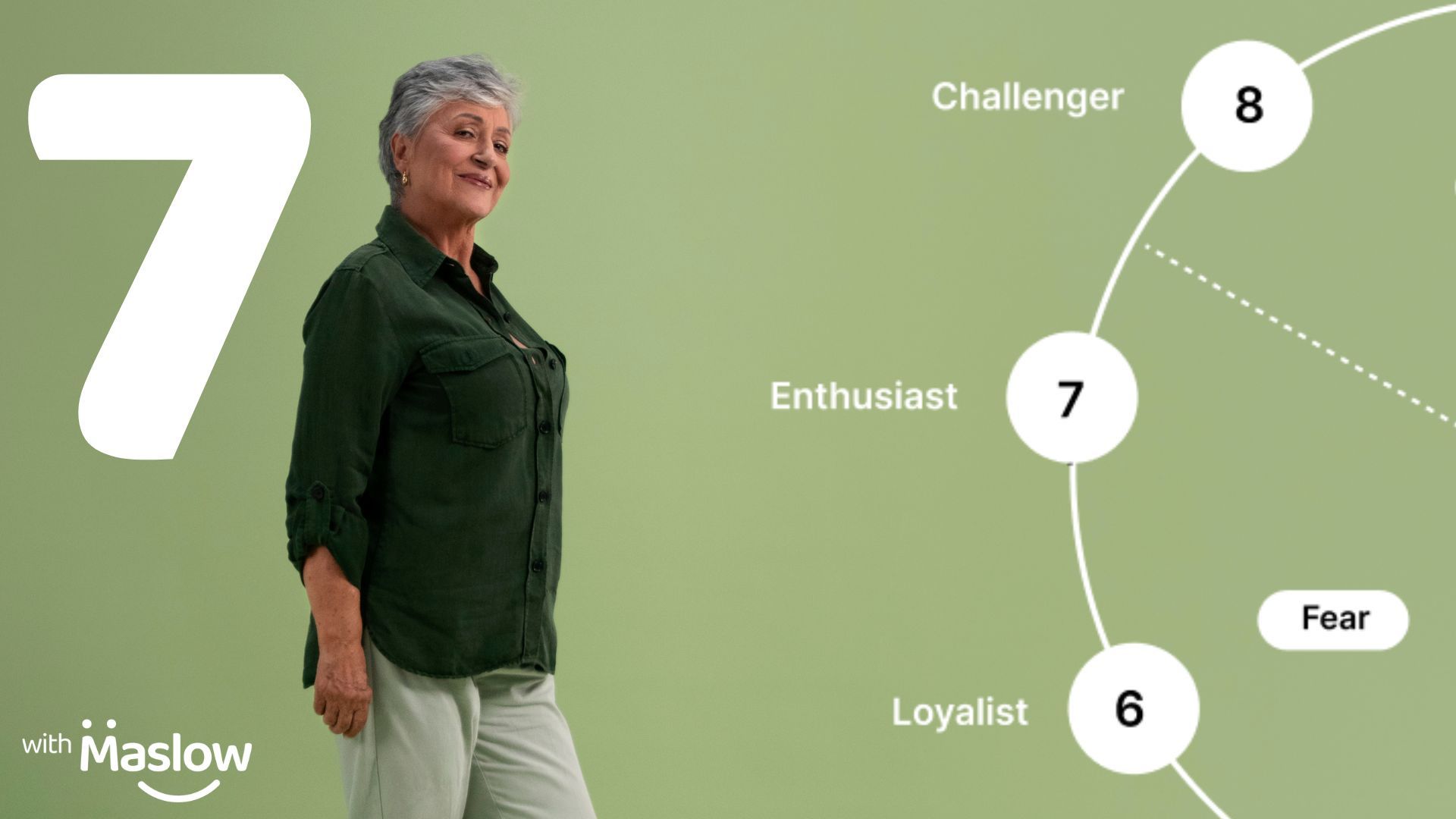
Understanding Your Enneagram Type 7 Personality
As a Type 7, your primary motivation is to avoid pain and discomfort by pursuing pleasure, excitement, and novelty. You are often seen as lively, spontaneous, and versatile, with a strong desire to experience everything life has to offer. Your core fear is being trapped in boredom, pain, or emotional distress, which drives you to stay constantly on the move, seeking out new and stimulating experiences.
You likely value freedom and flexibility, preferring to keep your options open rather than committing to any one thing for too long. While your enthusiasm and positivity are infectious, you might struggle with staying focused, following through on commitments, or facing uncomfortable emotions. This can sometimes lead to a pattern of avoidance, where you distract yourself from deeper issues by constantly seeking the next exciting adventure.
What is Social Exchange Theory?
Social Exchange Theory provides a framework for understanding your relationships by viewing them as transactions where individuals seek to maximize rewards and minimize costs. Developed by sociologists like George Homans and Peter Blau, the theory suggests that social interactions are driven by the principle of reciprocity, where people exchange resources—whether tangible, like time and money, or intangible, like affection and support—to achieve mutually beneficial outcomes.
In this theory, relationships are maintained when the rewards outweigh the costs. If the balance tips and the costs exceed the rewards, the relationship may become strained or dissolve. The theory also emphasizes the importance of equity, where both parties feel that the exchange is fair and balanced—a concept that might resonate with your preference for positive, mutually enjoyable interactions.
How Your Type 7 Traits Connect with Social Exchange Theory
Your Type 7 personality naturally influences how you engage in social exchanges. Here's how your quest for excitement, freedom, and positivity aligns with the principles of Social Exchange Theory.
1. Seeking Joy and Reciprocity in Relationships
As a Type 7, you are drawn to relationships that offer joy, excitement, and mutual enjoyment. You value interactions that are fun, engaging, and light-hearted, and you are likely to invest in relationships that provide a sense of adventure and novelty. In the context of Social Exchange Theory, your pursuit of pleasurable experiences aligns with the principle of reciprocity. You are likely to give generously of your time, energy, and enthusiasm, expecting others to reciprocate by contributing to the fun and positivity of the relationship.
In your social exchanges, you may be highly engaging, bringing energy and excitement to your interactions. You likely expect the same level of enthusiasm from others, and when this reciprocity is present, it enhances your sense of connection and enjoyment. This focus on reciprocity helps you build relationships that are vibrant, dynamic, and filled with shared adventures.
2. Evaluating Costs and Benefits with a Focus on Enjoyment
When you assess the costs and benefits of a relationship, your primary concern is often how enjoyable and fulfilling the relationship is. You are likely to invest in relationships that offer fun, excitement, and the opportunity to explore new experiences. The “rewards” you seek might include social stimulation, novelty, and the freedom to pursue your interests without constraints.
However, this focus on enjoyment can sometimes lead to challenges. If a relationship becomes too demanding, restrictive, or emotionally heavy, you might feel that the costs outweigh the benefits, leading you to withdraw or seek out new, more enjoyable interactions. It’s important for you to recognize when a relationship is becoming too burdensome and to consider whether the rewards are still worth the investment.
3. The Role of Freedom and Flexibility in Social Exchanges
As a Type 7, your need for freedom and flexibility is crucial to your well-being. You likely seek relationships that allow you to maintain your independence and pursue a wide range of interests. This need for flexibility can influence how you engage in social exchanges, as you might prefer relationships that are spontaneous, adaptable, and free from rigid expectations.
However, this focus on freedom can sometimes lead to difficulties if you resist commitments or avoid deeper connections that require more consistency. Understanding this aspect of your personality can help you navigate your relationships more effectively. By finding a balance between your need for freedom and your desire for meaningful connections, you can build relationships that respect your independence while also offering stability and support.
4. The Potential for Avoidance and Surface-Level Interactions
Your tendency to seek out positive experiences and avoid discomfort can sometimes lead to surface-level interactions. While you may excel at creating fun and engaging social environments, you might struggle with deeper emotional connections or confronting difficult issues within relationships. This can create challenges, particularly if others expect a level of emotional depth or consistency that you are not ready to provide.
To prevent avoidance from undermining your relationships, it’s important to be mindful of the balance between fun and emotional engagement. This might mean making a conscious effort to engage more deeply with others, even when it feels uncomfortable or challenging. By ensuring that your relationships are not solely based on enjoyment but also include some level of emotional connection and commitment, you can create more balanced and fulfilling interactions.
5. Balancing Excitement with Commitment
One of the key challenges you face as a Type 7 is balancing your desire for excitement and new experiences with the need for commitment and follow-through. While you thrive on variety and spontaneity, it’s important to recognize that relationships also require consistency, reliability, and sometimes, the willingness to face uncomfortable emotions. Learning to navigate this balance can help you build more sustainable and rewarding relationships.
This might involve setting realistic expectations for your relationships, committing to follow through on promises, and being present even when things are less exciting or more challenging. By finding a balance between your need for excitement and your capacity for commitment, you can create relationships that are both stimulating and dependable.
Key Takeaways
The connection between your Enneagram Type 7 personality and Social Exchange Theory highlights the interplay between your desire for excitement and freedom and the dynamics of reciprocity in relationships. You bring energy, optimism, and a sense of adventure to your interactions, often seeking relationships that provide mutual enjoyment and stimulation. However, your focus on avoiding discomfort and maintaining flexibility can sometimes lead to challenges in maintaining balanced and emotionally satisfying relationships.
By understanding how Social Exchange Theory applies to your interactions, you can work toward healthier and more fulfilling relationships. Recognizing the importance of balance, setting boundaries, and embracing both excitement and commitment will allow you to maintain your adventurous spirit while building supportive and sustainable connections. This approach will help you find the excitement and fulfillment you seek, grounded in relationships that are both rewarding and meaningful.

